
The Only 3 Hardware Finishes You Need (& the Trendy Ones That Date Your Home)
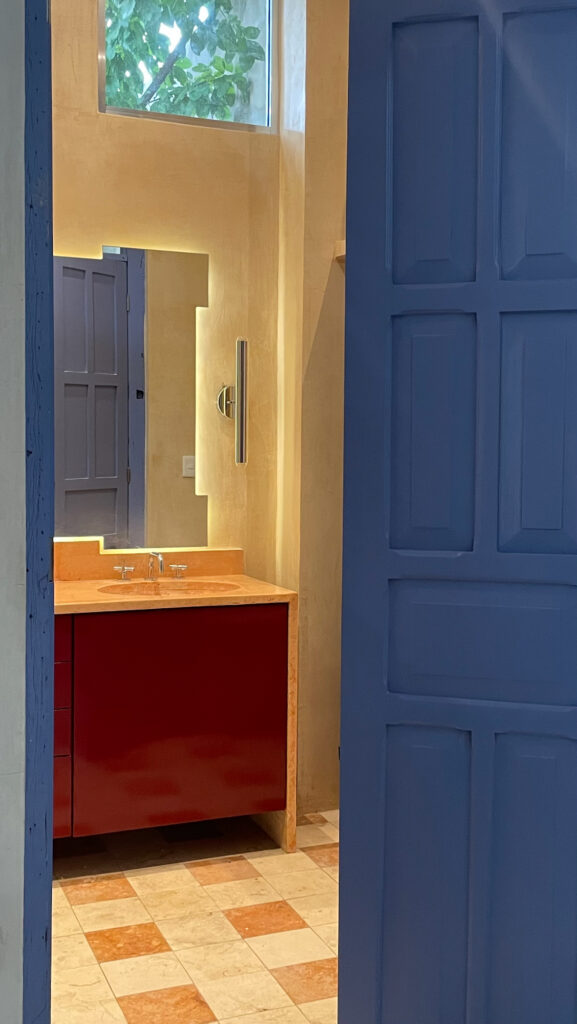
There are only 3 hardware finishes you should be using in your home (brushed gold isn’t one of them).
I know that’s a bold thing to say when brushed gold and champagne are on everyone’s wish list right now. But if you’ve ever ripped out hardware because it looked super dated, you already know how this story ends.
Think back to the ’80s and ’90s (or use your imagination if you weren’t born yet). Bright, shiny faux brass was everywhere: doorknobs, cabinet pulls, faucets, and lighting. A decade later we were so collectively horrified by it that there was no choice but to rip it all out.
Then came brushed nickel. Every new build used it on faucets, doorknobs, and cabinet hardware. It was still the standard until another finish overtook it in popularity.
Now it’s brushed gold’s turn (and in between, matte black has already come and gone).
Here’s what all of these finishes have in common: they were all THE hot trend of the moment. They were so popular that cheap, faux-finish versions abounded. They trickled down to being the choice for every new build and flip house because of the high demand.
When you start seeing a finish (or any other design element) reach this level of popularity, it’s almost guaranteed to become associated with a certain decade. That’s what puts it in danger of reading as “dated” later on.
If you’re going through the trouble and expense of installing good-quality hardware (especially doorknobs and plumbing fixtures), you want it to age gracefully.
Before we get to the finishes I recommend, two quick notes on quality:
- Skip any hardware that feels lightweight or hollow. Look for solid, weighty materials that feel heavy when you pick them up.
- Avoid faux “aged” or “antiqued” finishes. They never look quite like the real thing, and they tend to show wear in a way that looks worn-out instead of lived-in.
The 3 timeless hardware finishes
These are the only 3 finishes I’d put in a home if I wanted it to still feel fresh in 10-20 years (consider this your cheat sheet):
1. Unlacquered Brass
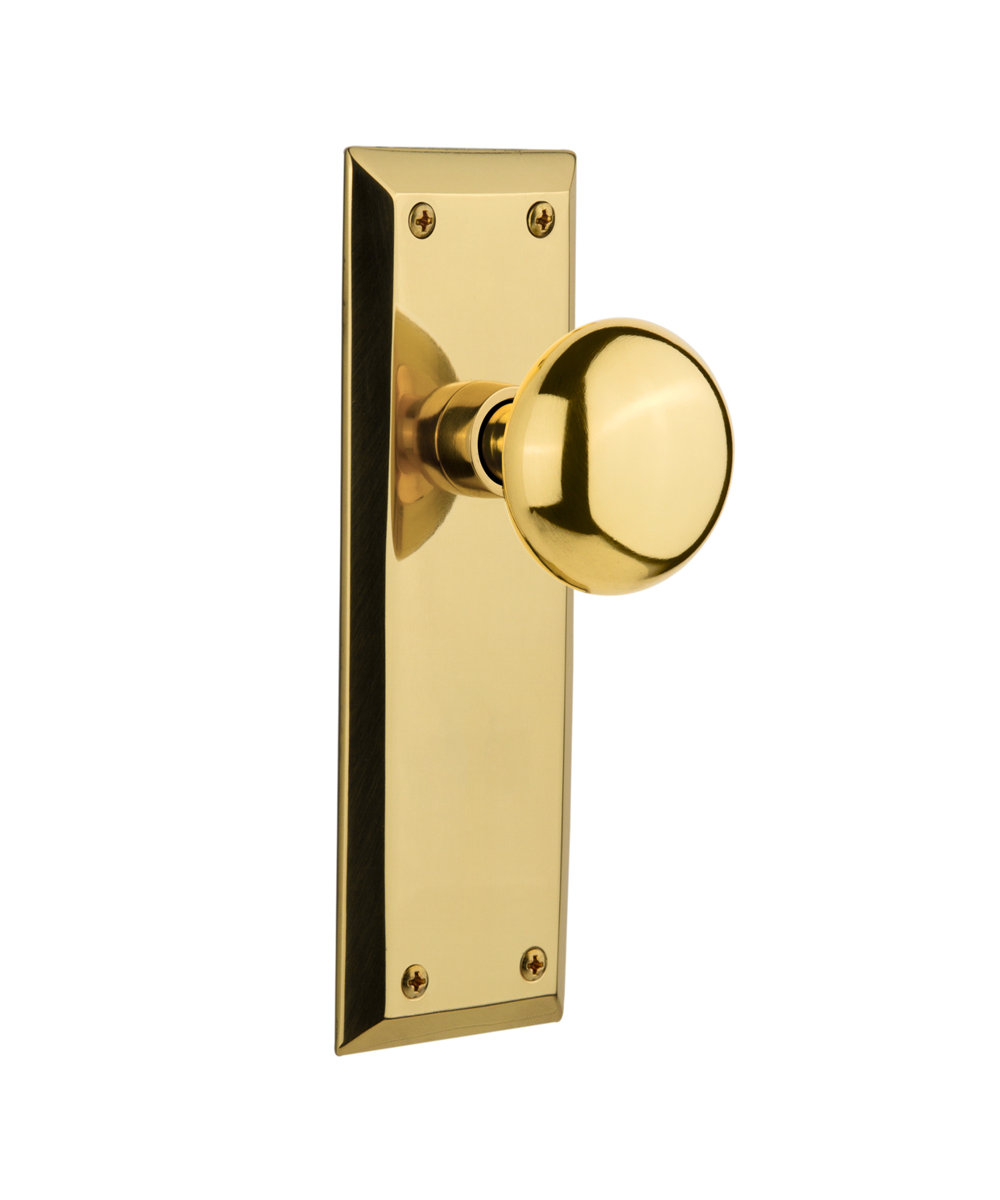
This isn’t the bright, shiny gold from your grandma’s house. Unlacquered brass is solid brass with a living finish, meaning it changes over time. It gets darker and less shiny with use, but you can always polish it periodically to get that original shine back. It can work beautifully with many different design styles, and it’s the primary finish I chose for my Asheville home.
2. Polished Nickel
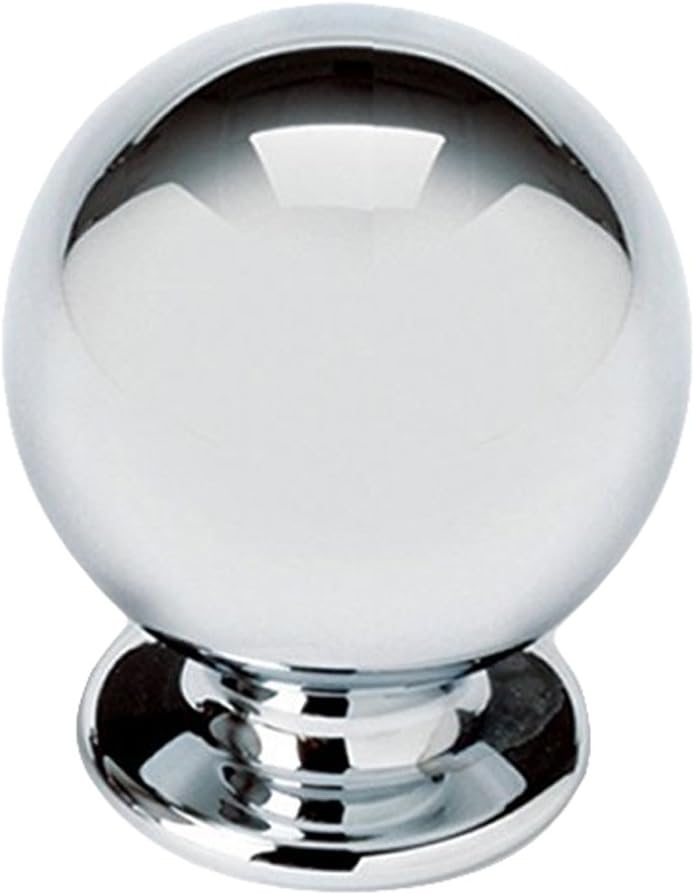
Polished nickel is gorgeous in more traditional spaces. It reads as silver, but leans warm, which is what makes it feel softer and less stark than chrome. This warm undertone is also what makes polished nickel the right choice for countertop materials that lean warm.
3. Polished Chrome
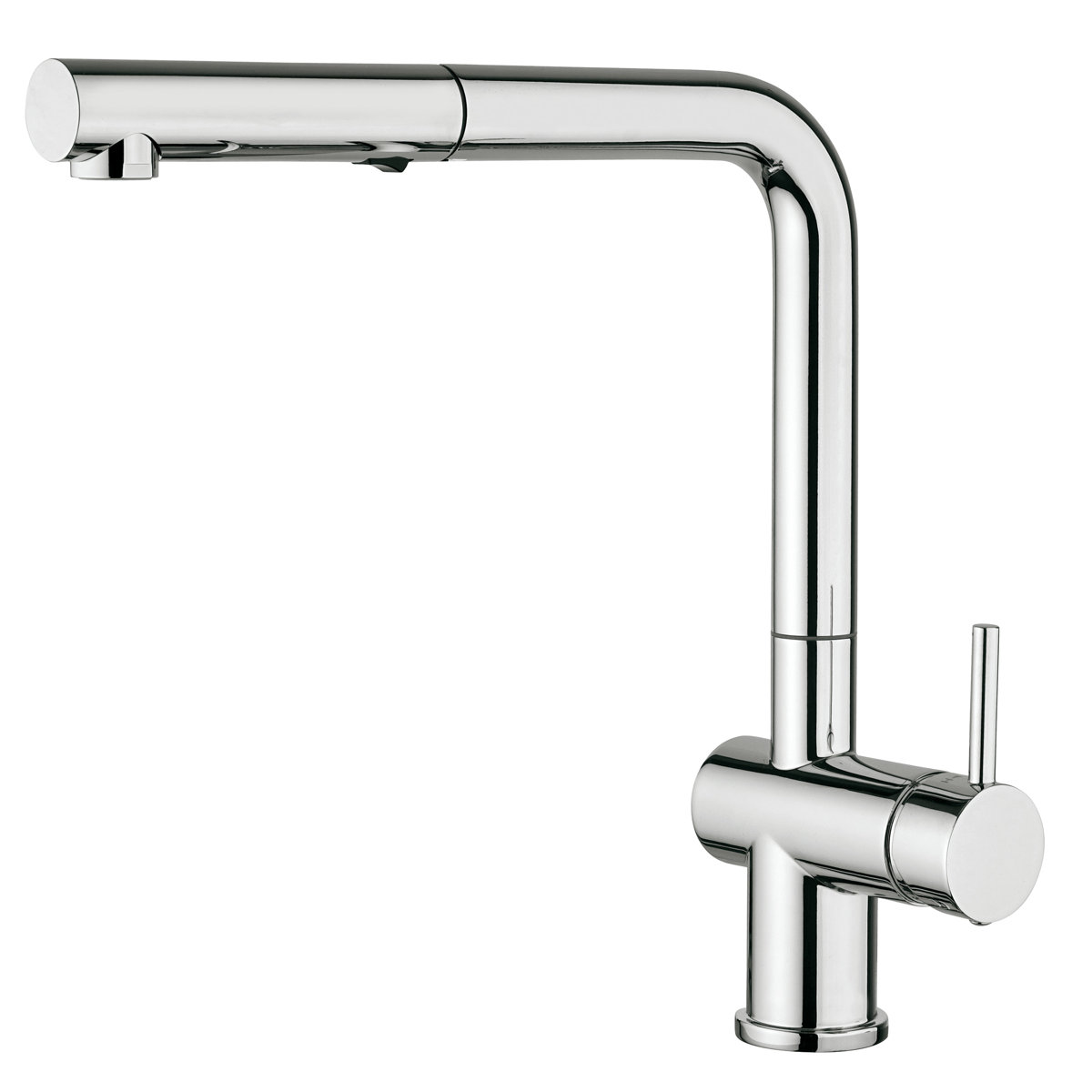
Chrome often gets a bad rap, but it’s my #1 finish choice for midcentury and modern kitchens and bathrooms. Chrome is cooler than nickel, so keep that in mind when you’re coordinating it with your countertops and other finishes.
A warm stone countertop can feel slightly off paired with a chrome faucet, while a cooler stone or a crisp white will feel like it’s meant to be. Chrome is the primary kitchen and bathroom finish I chose for my home in Mérida, Mexico, which leans much more modern.
Honorable mentions
Iron, oil-rubbed bronze, and copper can all be timeless choices, but you’ll often find these with faux finishes that tend to look cheap (even if they’re not).
Look for options that are not faux-antiqued and don’t appear to have a brushed-on finish. Often these types of finishes come with names that include “brushed,” “aged,” “burnished,” or “antiqued.”
A note on “living finishes”
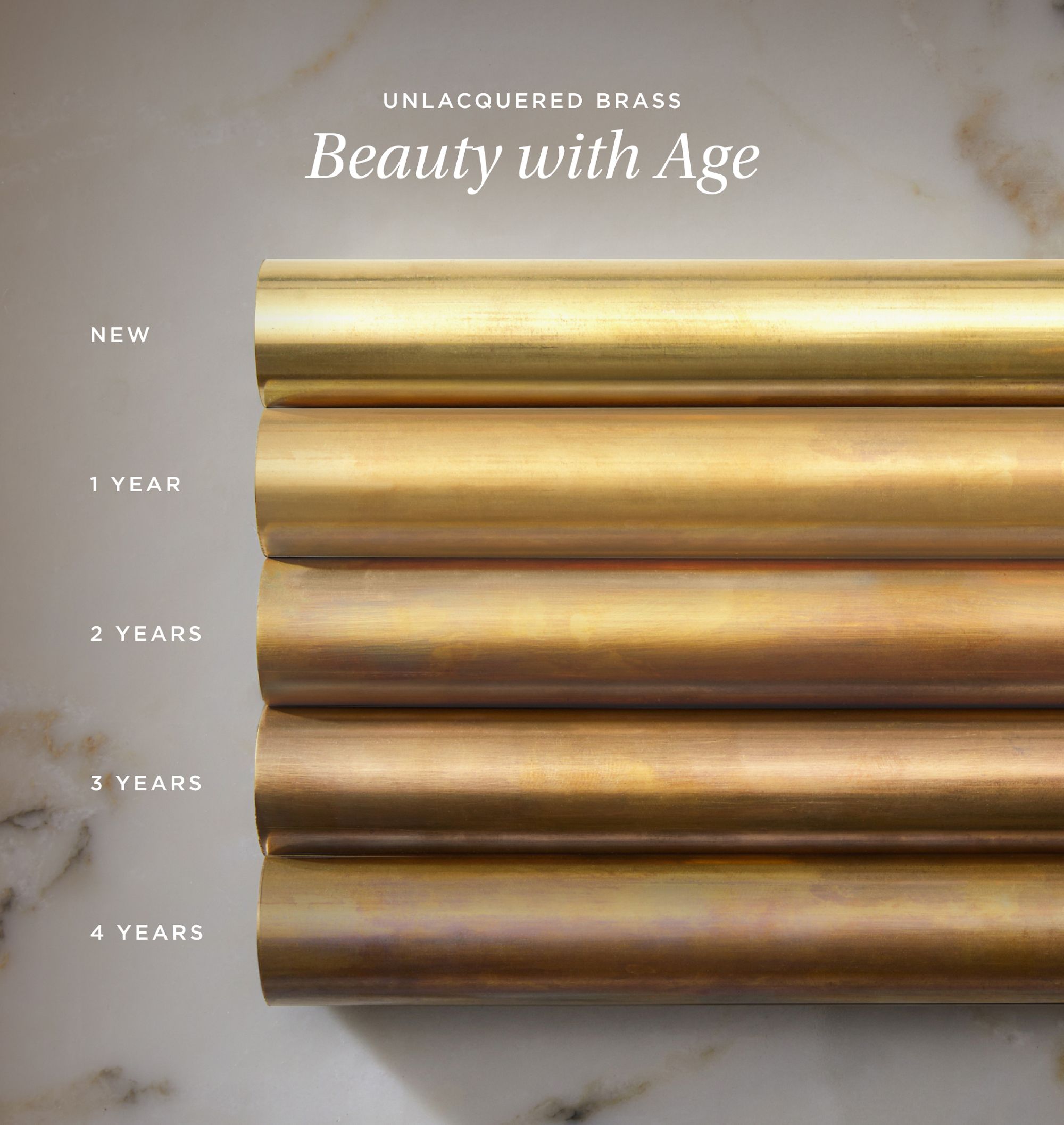
Living finishes are a wonderful choice for hardware you will be interacting with often (think doorknobs, faucets, and cabinet pulls). Hardware pieces with living finishes are not coated with a protective material (like lacquer), so they age over time.
You’ll often see these referred to as “unlacquered” or “raw”; the aged appearance is what we call “patina.” Living finishes can always be polished back to their original state if the patina goes too far for your preference.
If you prefer the look of the original material, look for lacquered versions. The clear coating protects the original finish and prevents patina. Lacquered finishes can chip over time, so just be aware of this possibility.
Unlacquered or raw brass, nickel, copper, and oil-rubbed bronze can all be considered living finishes.
The current trendy finishes that date your home
Brushed gold and champagne finishes are on everyone’s renovation wish list right now, and I kind of get it. You get the warmth of unlacquered brass without the perceived maintenance.
But the popularity is exactly the problem. When a finish has trickled down to every single new build and flip house and the cheap Amazon reproductions are everywhere, that’s when you know it’s going to feel time-stamped.
Matte black hardware is another recent example. It gained popularity along with the “modern farmhouse” aesthetic and has already become a punchline among many designers, decorators, and interiors enthusiasts (along with millennial gray walls and flooring).
While these finishes can be fine for lighting and curtain hardware, I don’t recommend them for hardware you’ll be handling on a regular basis (like doorknobs, plumbing fixtures, and cabinet pulls).
Can you mix metals?
I always get this question when I talk about hardware finishes: can you mix metals? The answer is yes (and you should!), but with restraint. Here’s my cheat sheet:
- Keep plumbing hardware within one room consistent. In a bathroom, choose the same finish for sink, shower, and tub hardware. For kitchens, keep your faucets and pot fillers the same finish.
- When in doubt, limit yourself to 2 finishes per room. Less is usually more when it comes to mixing metals.
- Carry at least one finish throughout your home. Pick one hardware finish as your primary and use it in every room. This is what creates cohesion throughout your home. Vary the accent finish from room to room, or keep the mix consistent.
- Consider your undertones. Warm finishes (unlacquered brass, bronze, nickel) pair well with warm wood tones and warm whites. Cool finishes (polished chrome, iron) pair well with cooler stone, black accents, and crisp whites. While mixing warm and cool can certainly work, it’s tougher to pull off.
- Lighting gets a little more freedom. I’m less picky about matching my lighting finishes because this tends to read as a separate layer instead of a piece of hardware. For example, instead of trying to find true unlacquered brass light fixtures for my bathroom, I’d mix in some brushed gold.
If you’re still not sure which finish to choose for your home, that’s exactly the kind of decision The Designer Home Formula helps you with: how to name your interior design style, then use it as the filter for every selection going forward.
My favorite finish pairings
When choosing finishes to mix together, I like to use ones that share an undertone but still have contrast:
- Brass + Nickel, Oil-Rubbed Bronze, or Copper
- Nickel + Brass or Oil-Rubbed Bronze
- Chrome + Iron
- Oil-Rubbed Bronze + Brass, Nickel, or Copper
Ready to stop guessing and start decorating with an actual plan?

The Designer Home Formula is the exact decorating method I use and teach in my course. It walks you through how to figure out your own unique interior design style mix, then use the formula to make every decorating decision (without overwhelm or second-guessing).